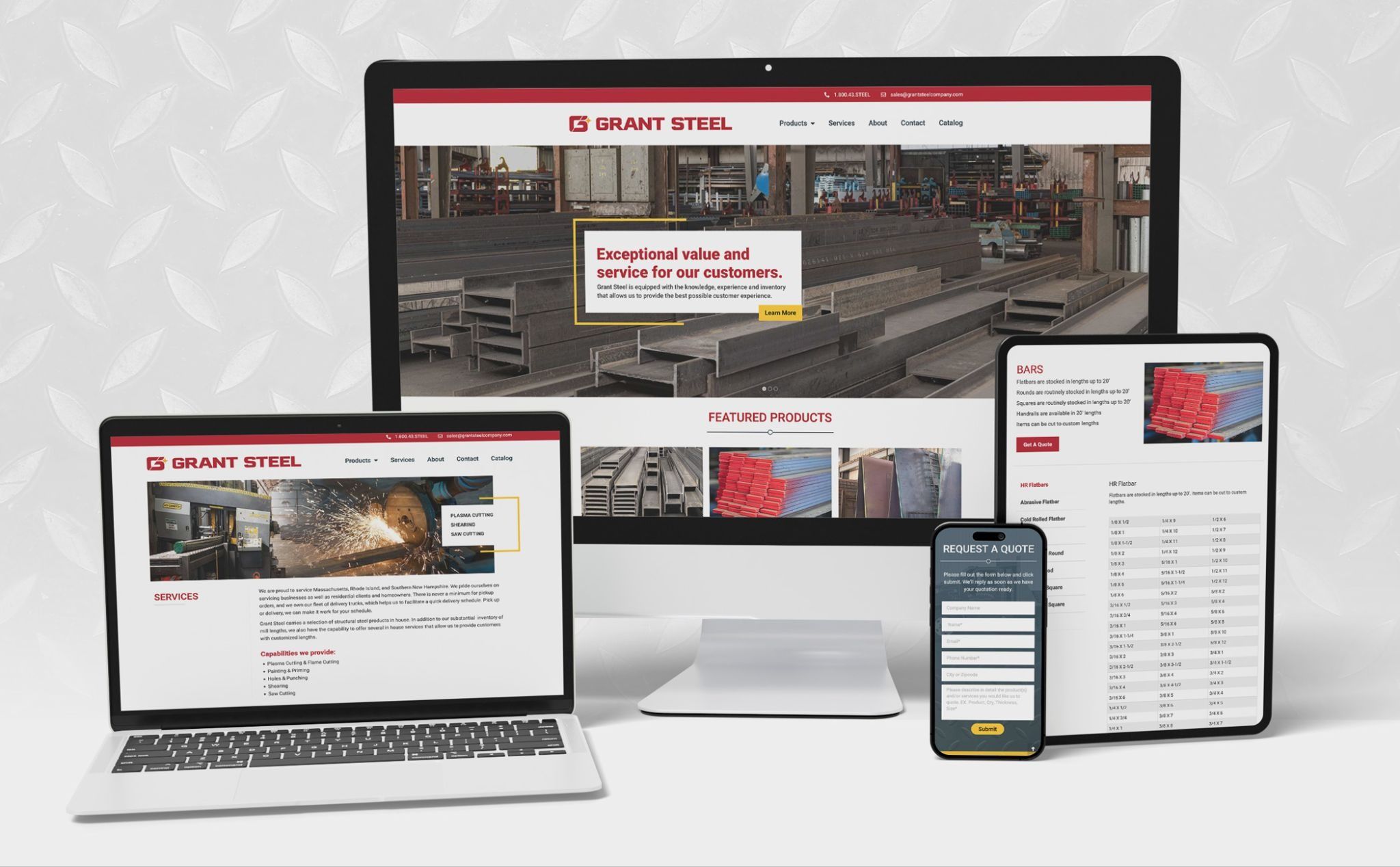
10 Signs Your Business Needs a Website Redesign
After nearly 30 years of designing websites for businesses across Greater Boston, we have found that the hardest part is rarely the redesign itself. The hardest part is getting business owners to recognize when their current site has quietly become a liability.
Most businesses do not set out to neglect their websites. A site gets launched, things get busy, and before long three or four years have passed without a meaningful update. Meanwhile, customer expectations shift, competitor sites improve, and search rankings quietly erode. The website that once felt like a proud achievement starts working against the very business it was built to represent.
At PearTree Design, we have had dozens of conversations with business owners in this exact situation. Some come to us after noticing a drop in leads. Others come because a competitor just launched something that makes their site look outdated by comparison. A few come to us after a trusted employee finally said what everyone had been thinking.
Wherever you are in that process, this post is designed to help you identify the specific warning signs that signal it is time to act.
Sign 1: Your Site Does Not Work on Mobile
This is the single most common issue we encounter when reviewing websites for prospective clients. A site that was built five or more years ago may look perfectly acceptable on a desktop, but fall apart completely on a phone. Text overflows, navigation menus become difficult to tap, and images stack in awkward ways that break the visual hierarchy.
Given that a significant and growing share of all web traffic now arrives from mobile devices, this is not a cosmetic problem. It is a conversion problem. Visitors who cannot comfortably use your site on their phone will simply leave. At PearTree Design, every website project starts with mobile as a primary consideration, not an afterthought.
Sign 2: Your Bounce Rate Is High and Your Leads Are Low
Traffic without conversions is a warning. When we review analytics for businesses considering a redesign, high bounce rates combined with low lead volume almost always point to the same root causes: a confusing layout, unclear messaging, or a user journey that does not guide visitors toward any meaningful action.
One business that came to us was generating solid traffic but seeing almost no inquiries through their website. After a thorough review, the issue was clear. Their homepage explained what the company did, but never gave visitors a compelling reason to take the next step. A strategic redesign, with clear calls to action and a restructured content hierarchy, changed that picture considerably.
Sign 3: The User Experience Feels Confusing
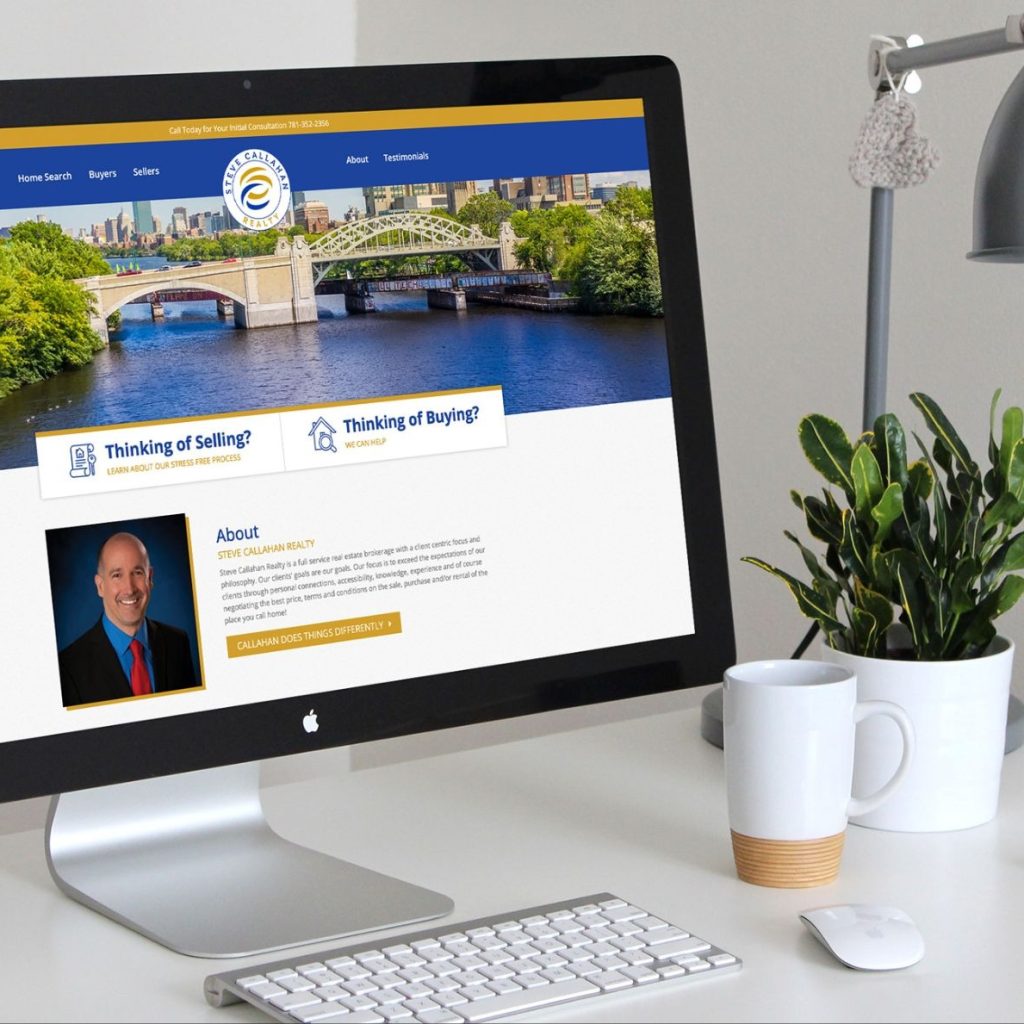
A visitor should be able to find your services, understand what makes you different, and locate your contact information within seconds of arriving on your site. If that process requires any real effort, you are losing people.
The emphasis PearTree Design places on user experience is not just a selling point. It is the result of learning, over decades of projects, that even visually impressive websites can fail completely if the underlying structure does not make intuitive sense to the people using them. Our work for Framingham Dental Center is a good example of this. Patients visiting a dental website need to feel reassured and informed quickly. The design, content structure, and navigation all had to support that emotional reality before a visitor even reached the contact page.
Sign 4: Your Branding No Longer Reflects Who You Are

Businesses evolve. Services expand, target audiences shift, and the positioning that made sense at launch may no longer align with where the company is headed. When the website still reflects an older version of the brand, it creates a disconnect that visitors can feel even if they cannot articulate it.
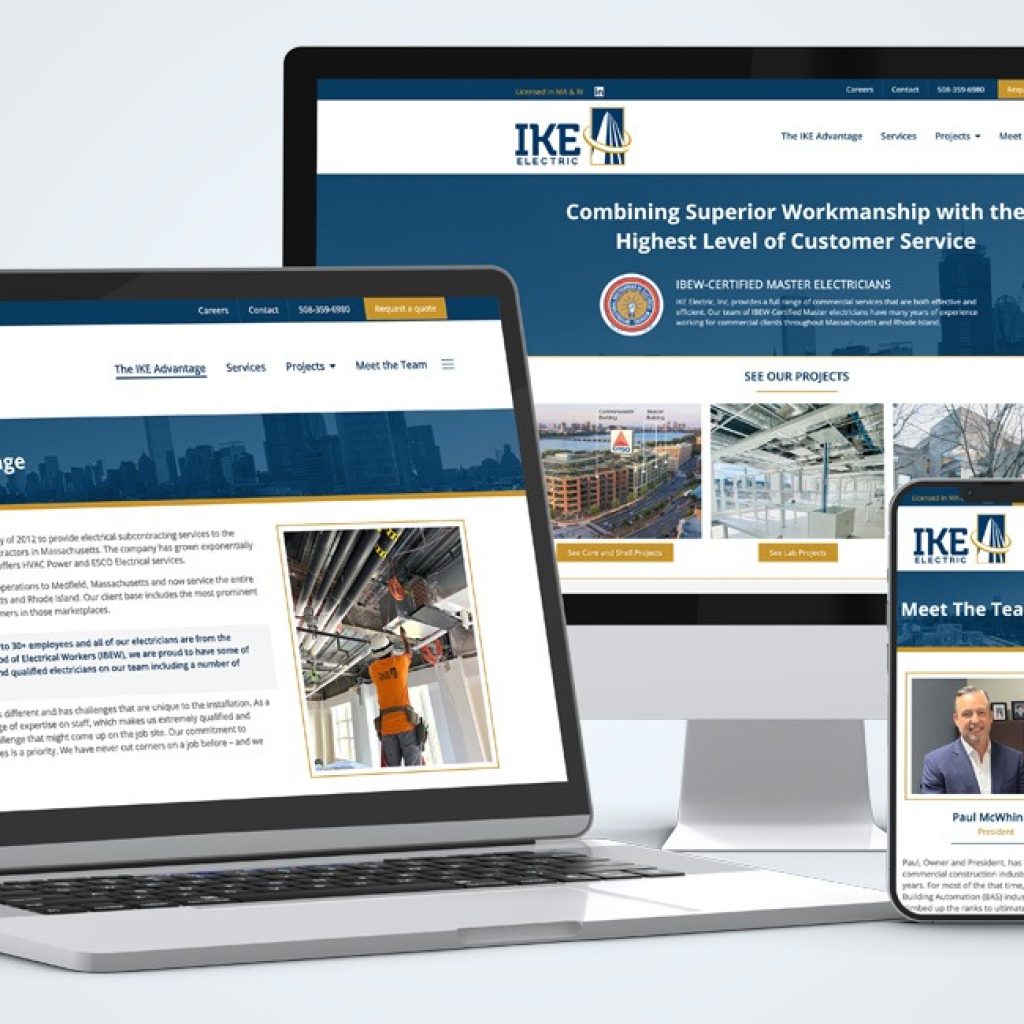
We rebuilt the brand and website for Ike Electric with exactly this challenge in mind. The business had grown significantly, but the existing materials did not communicate that growth. A unified visual identity across their website, print materials, and signage gave the brand the presence that matched the company’s actual capabilities. When your brand design and website are pulling in the same direction, the credibility gap closes fast.
Sign 5: Pages Take Too Long to Load
Slow websites cost businesses money. Visitors expect pages to load quickly, and even a few extra seconds of load time measurably increases the percentage of people who leave before the page finishes rendering. Search engines factor page speed into rankings as well, which means a slow site affects both user experience and organic visibility.
Many of the sites we review have performance issues that are invisible to the business owner because they are accustomed to viewing the site on a fast connection. Images that were never properly compressed, legacy scripts that load unnecessarily, and outdated hosting configurations are among the most common culprits. Our web development process includes performance optimization as a core deliverable, not an optional extra.
Sign 6: You Cannot Update Your Own Content
If making a simple change to your website requires a developer, a support ticket, or a waiting period, that is a problem worth solving. Modern content management platforms allow business owners and their teams to update content, publish blog posts, swap images, and manage service descriptions without any technical knowledge.
When this capability is missing, content gets neglected. Services that have changed remain incorrectly described. New case studies never get published. The site slowly falls behind reality, and visitors notice.
Sign 7: Your Search Rankings Are Slipping
Organic search performance depends on a combination of factors, and an outdated website architecture is often the silent culprit behind declining rankings. Missing metadata, slow load times, a lack of mobile optimization, and poorly structured page content all contribute to reduced visibility in search results.
Many Boston businesses invest in professional website design without considering SEO foundations during development, only to discover later that their site structure limits visibility. A redesign built on a clean, well-optimized framework can help recover and improve that visibility over time. Our award-winning graphic design services extend into web development precisely because we treat technical performance and visual design as inseparable.
Sign 8: Your Competitors Look More Professional Online
Take an honest look at the websites of three or four of your closest competitors. If their sites load faster, communicate more clearly, and look more current than yours, that gap has business consequences. Customers who are evaluating options will form impressions quickly, and a polished, professional site signals credibility before a single word is read.
We have seen this dynamic play out repeatedly in Greater Boston across industries ranging from professional services to hospitality to construction. Businesses that partner with experienced Boston web design teams give themselves a real advantage in how they are perceived before any sales conversation begins. You can review the range of industries we have served in our full portfolio.
Sign 9: Your Site Is Not Accessible
Website accessibility is both a practical and ethical responsibility. An outdated site may lack proper color contrast, use fonts that are too small to read comfortably, or fail to work with screen readers and other assistive technologies. This excludes a meaningful portion of your potential audience and, depending on your industry, can carry compliance implications.
Accessibility standards have advanced considerably over the past several years. A redesign is the ideal opportunity to audit and address these gaps, broadening your reach and demonstrating a genuine commitment to inclusivity.
Sign 10: The Site Simply Has Not Grown With Your Business
A starter site built for a three-person operation may not be the right foundation for a regional company with dozens of employees, multiple service lines, and a national client base. The architecture, content structure, and functional capabilities of your website need to match where your business actually is today.
This is the situation that brought Pathlight, Ltd to PearTree Design. Their existing site no longer reflected the scope and sophistication of the organization. A full redesign gave their digital presence the credibility and structural capability that aligned with how the business had evolved. When visitors arrive on a site that clearly matches the scale and professionalism of the company behind it, trust forms immediately.
DIY Platforms vs. Professional Web Design
When a redesign becomes necessary, some business owners consider DIY platforms as a cost-saving option. Tools like Wix or Squarespace have a place for very simple use cases, but they consistently fall short when a business has specific goals, a defined audience, and a need for custom functionality.
The limitations tend to show up in performance, customization, and scalability. Businesses that start on these platforms often return to us after hitting walls they did not anticipate. A professional design and development process built around your specific business from the start almost always delivers better long-term value than a template that requires constant workarounds.
Here is a straightforward comparison:
| Feature | DIY Website Builders | Professional Web Design |
| Initial Cost | Low monthly subscription | Higher upfront investment |
| Customization | Limited to templates | Fully tailored to your brand |
| User Experience | Basic layouts | Strategic UX designed for conversions |
| Scalability | Difficult to expand | Built to grow with your business |
| SEO Performance | Basic built-in tools | Advanced optimization from the ground up |
| Support | Standard customer service | Dedicated ongoing partnership |
Frequently Asked Questions
How long does a website redesign typically take?
Timelines depend on the complexity of the project. A straightforward informational site may take six to eight weeks. A larger build with e-commerce integration or custom functionality typically takes longer. At PearTree Design, we establish clear milestones from the start so you always know where the project stands.
Will a redesign hurt my current search engine rankings?
If handled incorrectly, changing URLs and site structure can cause a temporary drop in traffic. Working with an experienced web development team in Boston ensures that proper redirects, on-page optimization, and SEO foundations are considered throughout the project. When planned and executed properly, a redesign can create a stronger technical foundation to support long-term organic performance.
What should I prepare before starting a redesign?
Gather your current brand assets, including high-resolution logo files and any brand guidelines you have. Think carefully about your business goals, your target audience, and what your current site is failing to accomplish. Reviewing our portfolio can also help you identify the styles and approaches that resonate with your vision.
Why should I hire a local agency rather than a freelancer or overseas provider?
A local team brings accountability, clear communication, and a genuine understanding of your market. PearTree Design has been working with businesses across Greater Boston since 1997. We know the region, we understand the competitive landscape, and we are available for face-to-face meetings when that level of collaboration is valuable. For more answers about our process, visit our FAQs page.
Do I need to write all the content for my new website myself?
Not necessarily. Our team includes experienced copywriters who work alongside designers and developers to translate your expertise into clear, engaging, user-friendly content. You know your business better than anyone. We know how to present it effectively online.
The Right Time to Redesign Is Before You Start Losing Business
Recognizing the warning signs early is far less costly than waiting until the problems become undeniable. A website that is outdated, slow, or difficult to navigate does not announce its failures loudly. It quietly turns away potential customers, suppresses your search visibility, and gradually undermines the credibility you have worked hard to build.
PearTree Design works with businesses across Greater Boston to create websites that communicate clearly, perform reliably, and grow alongside the organizations they represent. If you recognized several of the signs in this post, the next step is a straightforward conversation about where your site stands and what a focused redesign could accomplish.
Contact PearTree Design today to schedule a complimentary website review. We will take an honest look at what is working, identify the gaps and outline a practical path forward.